People often ask me, as a dentist, whether a regular cleaning and a deep cleaning are the same thing. Both methods remove dangerous buildup from the teeth, but they do so in different ways. Before telling a patient what kind of cleaning would be best for them, I look at the condition of their teeth, gums, and supporting tissues.
For patients seeking Servicios de limpieza dental en Houston, understanding this difference can make dental care decisions easier. A routine cleaning is generally part of preventive care, while deep cleaning is used when gum disease has developed or there are signs of infection below the gumline.
How Routine Dental Cleaning Works
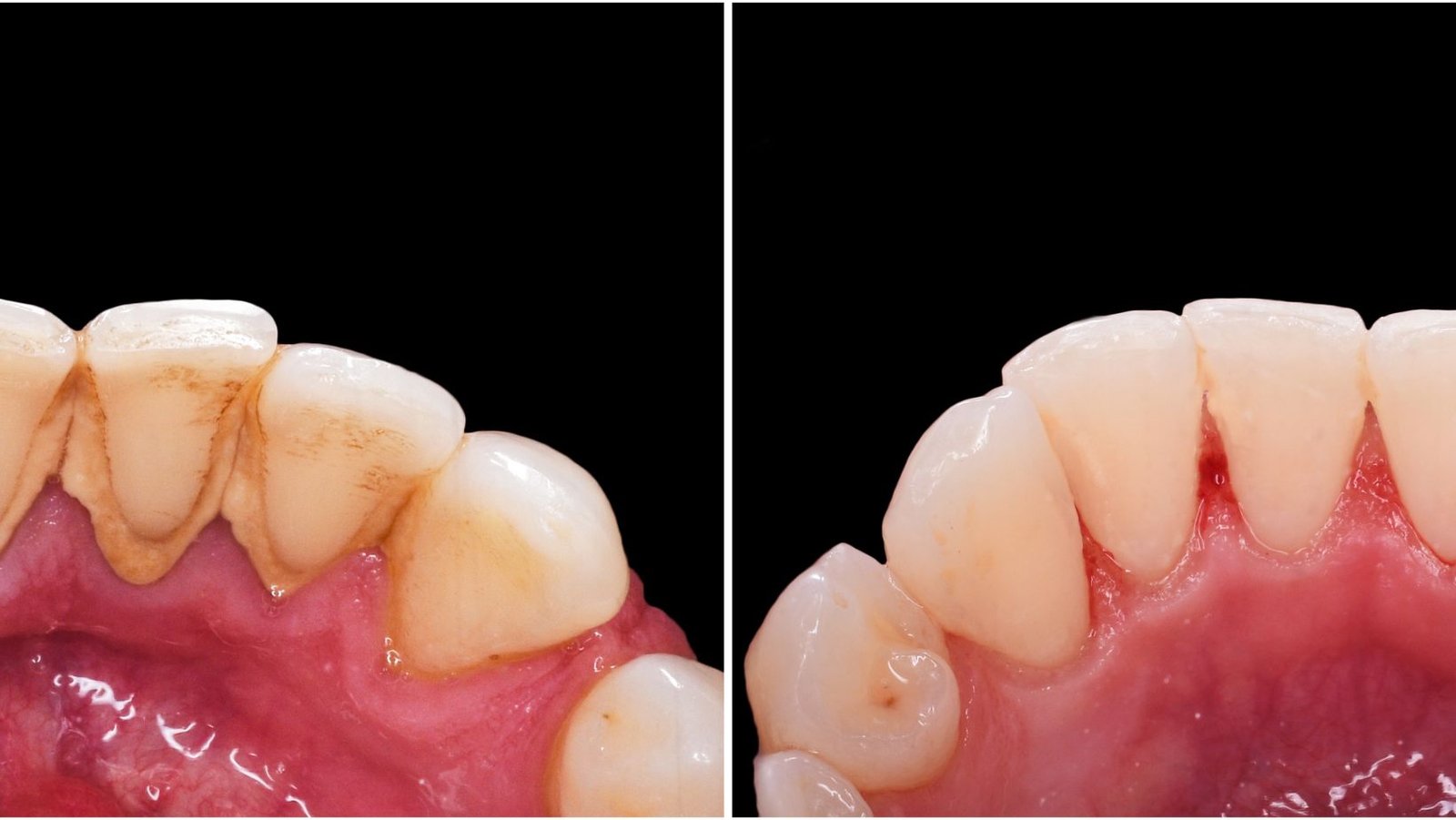
A regular dental cleaning is meant to remove plaque, tartar, and surface stains that you might not be able to remove with daily brushing and flossing. During this appointment, I or my staff carefully clean the gumline and the parts of the teeth that can be reached.
I have seen that people who get their teeth cleaned by a professional regularly are more likely to notice early signs of gum problems. We also check the gums for swelling, bleeding, receding gums, and other changes that might need more care.
People whose gums are healthy or who only have mild inflammation that does not need treatment below the gumline should still get their teeth cleaned regularly. Prevention is always best!
When Deep Cleaning Is Recommended
Scaling and root planing are other names for deep cleaning. It is more than just a regular cleaning. If bacteria and tartar have built up below the gumline and made periodontal pockets, a deep cleaning may be required.
During this process, we remove deposits from places that we can’t really reach during a regular cleaning. Also, the root surfaces are carefully cleaned out to make it harder for plaque and bacteria to build up.
The aim of my practice is to help people have healthy and beautiful smiles – this means taking control of gum disease before it gets worse and hurts the bone and muscles that support the teeth. In some cases, the treatment may not be done all at once but instead completed in stages. This depends on the patient’s health.
A Quick Comparison
| Característica | Regular Dental Cleaning | Deep Cleaning |
| Main purpose | Preventive oral care | Treatment of gum disease |
| Cleaning area | Teeth and gumline | Above and below the gumline |
| Root surfaces treated | No | Sí |
| Gum pockets | Usually minimal or healthy | Deeper periodontal pockets |
| Typical recommendation | Routine preventive visits | When periodontal disease is present |
Why Early Gum Care Matters
Gum disease can start with signs that do not seem serious, like swelling, soreness, or bleeding when you brush your teeth. But if you do not take care of it, it can get worse and affect the parts of your body that hold your teeth in place.
I look at the size of the gum pockets, inflammation, tartar growth, bone levels, and other clinical observations when I assess a patient. Based on this information, I can decide if regular cleaning is enough or if periodontal treatment is required.
People who are thinking about getting dental work should also know how important it is to have good gums. When looking for the best implant dentist in Houston, keep in mind that planning for dental implants requires healthy oral tissues. The health of your gums can affect how the cells around an implant do in the long run.
Choosing the Right Cleaning for Your Smile
There is no one way to clean that works for everyone. Some patients need regular cleanings, while others may need periodontal treatment followed by more regular maintenance visits.
At Elite Dental Specialists, we look at each patient’s oral health individually instead of suggesting treatment based on a one-size-fits-all approach. My goal is to help patients understand their choices and do what they can to keep their teeth and gums healthy.
If you need dental cleaning in Houston, a professional can check whether a regular cleaning is enough or if you need more extensive periodontal care. People looking for the best implant dentist in Houston can also benefit from discussing gum health as part of their general dental treatment plan. To take good care of your oral health, you should first know what your teeth and gums need right now.